
How to Spot Used Car Listing Discrepancies in Photos (2026 Guide)
Our 2026 guide helps you spot used car listing discrepancies in photos. Learn to identify hidden damage, digital edits, and inconsistencies before you buy.
AI-assisted research and drafting; factual sources are linked in the article.
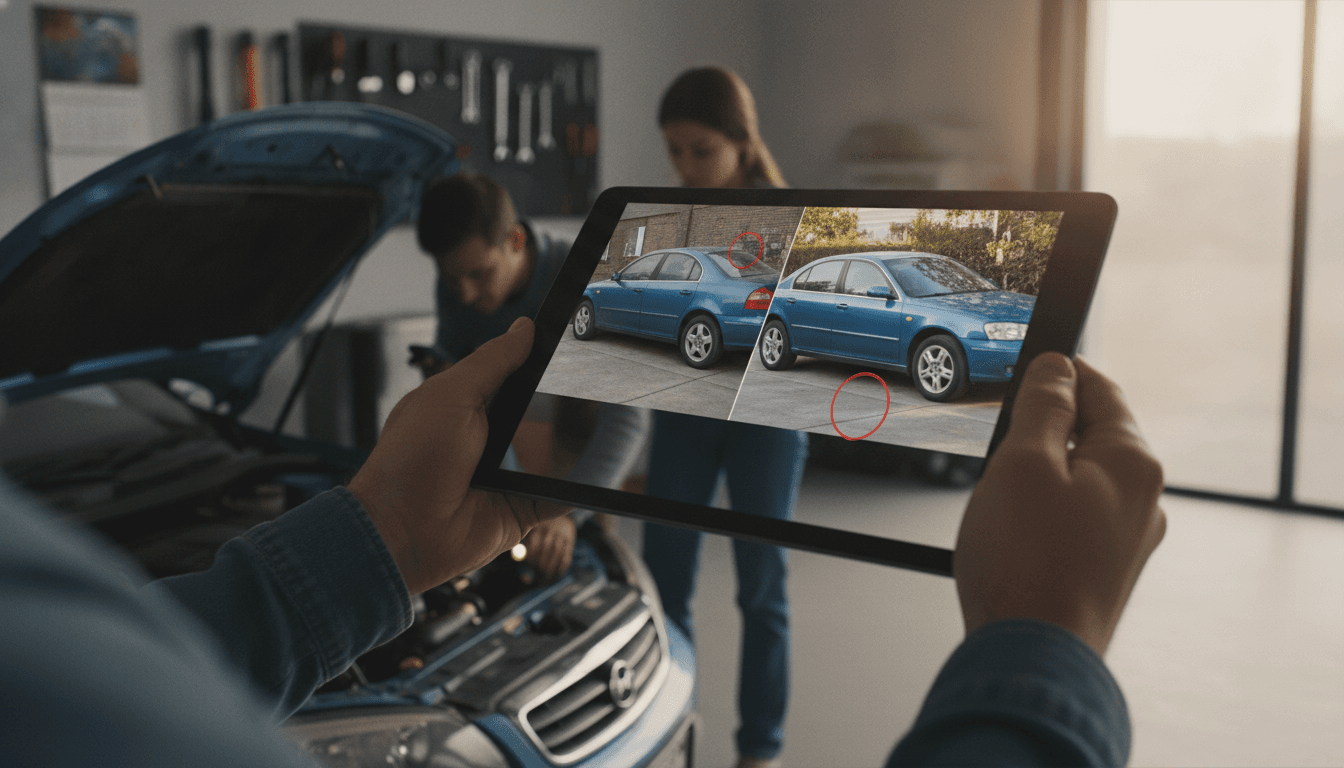
Should you rely solely on online listing photos when buying a used car in 2026? The short answer is no; you must approach them with rigorous digital due diligence. In today's digital marketplace, the line between an honest representation and a cleverly disguised vehicle flaw is increasingly blurred. Sellers, both legitimate and deceitful, leverage advanced digital tools to present a vehicle in its best light, sometimes obscuring critical issues that could lead to significant unforeseen repair costs. This guide will equip you with the techniques to identify these subtle inconsistencies and empower you to "read between the pixels" using both human observation and AI-assisted screening services.
The Evolving Landscape of Used Car Listings: Why Digital Scrutiny is Paramount in 2026
The used car market continues its strong presence online, with a vast majority of transactions beginning with a digital browsing experience. However, this convenience comes with increased risk. As photo editing software becomes more sophisticated and accessible, and online platforms offer more avenues for sellers to display vehicles, the potential for misleading or incomplete representations grows. While outright fraud is always a concern, even well-intentioned sellers might unknowingly omit details or present a vehicle in a way that downplays its imperfections. Your primary decision point is: How can I proactively identify hidden issues in used car listing photos to avoid costly surprises?
The decision requires a multi-faceted approach. Relying solely on your eyes or even a traditional vehicle history report is often insufficient. These reports, while valuable, rely on documented incidents and may not capture minor collisions, cosmetic repairs, or ongoing wear and tear that sellers might attempt to conceal digitally. The true condition of a vehicle is often hinted at through subtle inconsistencies in its visual presentation.
How Sellers Obscure a Vehicle's True Condition in Digital Listings
Sellers employ various tactics to make a used car appear more appealing than it is. Recognizing these strategies is the first step in effective digital due diligence.
Strategic Photography and Lighting
- Manipulated Lighting: Photos taken at dusk, dawn, or in heavily shaded areas can conceal scratches, dents, and paint imperfections by minimizing reflections and creating uniform shadows. Overly bright or washed-out photos can also obscure details.
- Limited Angles and Cropping: Listings often feature a dozen photos, but key areas might be missing. For instance, photos might omit shots of specific corners, the undercarriage, engine bay, or interior details like the headliner or seat bolsters, where wear and tear is common. Extreme close-ups of pristine areas can distract from wider, more problematic views.
- Environmental Distractions: Parking a car near reflective surfaces (like a freshly waxed car or a large window) can create reflections that hide imperfections on the body panels. A busy or cluttered background can also draw attention away from the vehicle itself.
Digital Enhancement and Manipulation
- Color Correction and Saturation: Digital tools can enhance paint vibrancy and make a dull finish appear glossy, masking oxidation or inconsistencies from resprays.
- Cloning and Healing Tools: Minor dents, scratches, or even rust spots can be digitally removed using cloning or healing tools, leaving no discernible trace to the human eye, particularly on smaller images.
- Removal of Warning Lights: Dashboard photos might be digitally altered to remove illuminated check engine, airbag, or ABS warning lights, making the car appear mechanically sound.
Vague or Inconsistent Descriptions
- Generic Language: Descriptions often use broad terms like "runs great" or "minor wear and tear" without specifying actual issues.
- Discrepancy Between Photos and Text: Sometimes, a photo might inadvertently show an issue (e.g., a mismatched panel gap), while the description makes no mention of body work or accidents. Conversely, a description might mention a "small scratch" that is completely invisible in the photos, making you wonder if more significant damage was edited out.
- Lack of Detail on Specific Features: Important details about tire brand/tread depth, brake condition, or recent maintenance are often omitted, forcing buyers to infer condition from potentially manipulated images.
Your Human Eye as a Detective: What to Look For
Before considering AI tools, train your eye to spot common red flags. This visual inspection should be the foundation of your digital due diligence.
Exterior Examination
- Paint Consistency: Look for variations in paint shade or texture across different body panels, especially between adjacent ones like a door and a fender. This often indicates a respray after an accident. Pay attention to overspray on rubber seals or trim.
- Panel Gaps: Examine the gaps between body panels (doors, fenders, hood, trunk). They should be uniform and consistent across the vehicle. Uneven or wider gaps can suggest a previous collision and improper repair.
- Reflections and Dings: Observe reflections on the car's surface. Distorted reflections can indicate dents, ripples in the bodywork, or poorly executed body filler.
- Tires: Look for consistent tire brands and models across all four wheels. Uneven wear patterns (e.g., more wear on one side of the tread) can signal alignment issues. Ask for photos of the tire sidewalls to check the date codes.
- Underbody/Wheel Wells: Any visible rust in the wheel wells, on the exhaust, or suspension components should raise a flag, especially if the car is from a region where road salt is used.
- Glass and Lights: Check for cracks or chips in the windshield, windows, and light housings. Mismatched headlights or taillights can indicate a previous collision and replacement.
Interior Examination
- Seat and Steering Wheel Wear: Excessive wear, tears, or staining on seats (especially the driver's seat), steering wheel, and pedals can indicate higher mileage than reported or rough usage.
- Dashboard and Electronics: Ensure all dashboard lights are off in photos, especially "Check Engine," "SRS/Airbag," "ABS," or "Tire Pressure" warnings. Any missing buttons or cracked plastic trim can be signs of neglect or tampering.
- Headliner and Carpets: Stains or water marks on the headliner or significant dampness in the carpets could be a sign of leaks or, more seriously, flood damage. Flood-damaged vehicles can have long-term electrical and mechanical problems.
- Odor Indicators: While photos can't convey smell, if you notice an unusually strong air freshener in interior photos, it might be masking unpleasant odors like mold, smoke, or pet smells.
Limitations of Human Perception and Traditional Reports
Even the keenest human eye can miss subtle digital alterations or minute visual cues in compressed online images. Low resolution, poor lighting, or clever cropping can effectively hide details from a casual observer. Furthermore, traditional vehicle history reports, such as those from CarFax or AutoCheck, rely on reported incidents from insurance companies, repair shops, and government agencies. While invaluable, they may not include:
- Accidents that were paid out-of-pocket without an insurance claim.
- Minor cosmetic damage or repairs not reported to official channels.
- Maintenance gaps or unreported service issues.
- Digital tampering of odometer readings (though VIN checks often catch this for registered vehicles).
- The exact condition of consumable parts like tires and brakes at the time of listing.
This is where AI-assisted screening tools offer a crucial layer of protection.
The Power of AI: 'Reading Between the Pixels' with CarScanAI
In 2026, AI-assisted screening services like CarScanAI offer a sophisticated advantage in identifying used car listing discrepancies that human eyes and traditional reports might miss. These tools are designed to perform a deeper, more consistent analysis of visual data.
CarScanAI operates as an AI-assisted screening tool by leveraging advanced computer vision and machine learning algorithms to analyze every pixel of a vehicle listing's photos. Here’s how it empowers buyers:
- Detecting Inconsistent Paint Finishes: Our AI can identify subtle variations in paint texture, reflectivity, and color saturation across different body panels. These minute differences, often imperceptible to the human eye in online photos, can indicate areas that have been repainted, potentially due to prior damage.
- Highlighting Anomalous Panel Gaps: The system meticulously measures and compares panel gaps across the vehicle. Inconsistent or unusually wide gaps, which might be subtle in a low-resolution image, are flagged as potential indicators of frame damage or poor repair work.
- Uncovering Digital Alterations: CarScanAI employs forensic image analysis techniques to detect signs of photo manipulation. This includes identifying cloned areas, altered pixel patterns, or inconsistencies in lighting and shadows that suggest digital removal of dents, scratches, or even warning lights on the dashboard. For instance, if a section of a body panel shows an unnaturally smooth texture or a repeated pattern that doesn't match the surrounding area, it could be a sign of digital "healing".
- Identifying Missing or Obscured Details: The AI can analyze the typical composition of used car listings and flag instances where key angles (e.g., specific tire shots, undercarriage glimpses, or full dashboard views) are conspicuously absent or obscured by poor lighting, which could indicate an intentional omission of problematic areas.
- Assessing Visible Wear and Tear: While not diagnosing mechanical issues, the AI can objectively assess visible signs of wear on tires (tread depth approximations based on visible patterns), interior components (rips, heavy creasing in seats), and other visible parts that might suggest higher mileage or neglect.
- Flagging Dashboard Warning Lights: By processing dashboard images, the AI can be trained to recognize and highlight illuminated warning indicators that a seller might have tried to downplay or digitally remove.
It's crucial to understand that CarScanAI is a screening tool designed to flag potential issues and guide your further investigation. It does not replace an in-person inspection by a qualified mechanic. It does not claim to find hidden mechanical problems or guarantee accident history, vehicle condition, authenticity, or price. Instead, it provides a powerful layer of digital due diligence, helping you decide which vehicles are worth a closer look and which might be best avoided.
Your Proactive Digital Due Diligence Checklist (2026)
Use this framework to systematically evaluate used car listings before investing time and money in an in-person viewing.
Phase 1: Initial Photo & Description Scan (Human Eye + CarScanAI)
- Read the Entire Description Carefully: Note any vague language, contradictions, or missing information. Cross-reference stated features with what's visible in photos.
- Examine All Photos Meticulously:
- Full 360-Degree View: Are there photos of every exterior angle (front, back, both sides, roof, wheels, tires)? Are there clear shots of the engine bay, trunk, and interior from various angles?
- Lighting Consistency: Do all photos appear to be taken under similar lighting conditions? Look for unnatural shadows or overly bright spots.
- Paint and Bodywork: Scrutinize for paint color variations, mismatched panel gaps, ripples in reflections, and signs of overspray. Check the integrity of trim, badges, and emblems.
- Tires and Wheels: Check for consistent tire brands, even tread wear, and wheel damage (curb rash).
- Interior Condition: Look for wear on seats, steering wheel, pedals, and door sills. Check for stains, tears, or missing buttons.
- Dashboard: Ensure all warning lights are off in any dashboard photos.
- Undercarriage (if visible): Look for excessive rust, fluid leaks, or damaged components.
- Run a CarScanAI Listing Check: Upload the listing photos to CarScanAI. Analyze the AI's report for flagged discrepancies, potential digital alterations, and highlighted inconsistencies missed by your eye.
- Cross-Reference VIN: Obtain the Vehicle Identification Number (VIN) from the listing. Use it to run a vehicle history report (e.g., CarFax, AutoCheck) to check for accident history, service records, recalls, and odometer discrepancies. Compare the VIN in the photos to the one in the description and report.
Phase 2: Deeper Investigation & Seller Interaction
- Request Additional Photos/Videos: If specific areas are missing or unclear (e.g., close-ups of tire tread, detailed engine bay shots, a specific dent), ask the seller for more high-resolution images or a video walkthrough. Pay attention to how quickly and thoroughly they respond.
- Ask Targeted Questions: Based on your visual and AI analysis, formulate specific questions. For instance: "The CarScanAI report flagged a slight paint inconsistency on the rear passenger door – has that area been repainted?" or "Can you confirm all warning lights are off when the car is running, as they appear in the photo?"
- Reverse Image Search (Optional but Recommended): Upload the listing photos to a reverse image search engine (e.g., Google Images). This can sometimes reveal if the car has been listed previously with different descriptions, at a different price, or showing different damage.
Phase 3: Decision to View or Decline
- Synthesize Your Findings: Combine your human observations, the CarScanAI report, and the vehicle history report.
- Evaluate Discrepancies: Are the identified discrepancies minor cosmetic issues you're willing to accept, or do they suggest more significant underlying problems (e.g., unreported accidents, potential flood damage, chronic electrical issues)?
- Consider the Seller's Transparency: Did the seller readily provide additional information and photos? Were they honest about issues, or did they try to obscure them? A lack of transparency is a major red flag.
- Make an Informed Decision: If the digital due diligence reveals too many red flags or unanswered questions, it's often best to move on to another listing. If you feel confident, proceed to arrange an in-person viewing and, critically, a pre-purchase inspection by an independent, qualified mechanic.
Conclusion
In the 2026 used car market, relying solely on surface appearances in online listings is a gamble. The sophisticated tactics used to obscure a vehicle's true condition demand an equally sophisticated approach to due diligence. By combining your astute human observation with the advanced analytical capabilities of AI-assisted screening services like CarScanAI, you can significantly reduce your risk of encountering unforeseen repair costs and fraudulent purchases. Proactive digital scrutiny empowers you to make informed decisions, ensuring that the vehicle you eventually consider for an in-person inspection truly matches its digital representation.
Start your digital due diligence today. Run a free listing check to uncover potential discrepancies before arranging a viewing: https://carscanai.net/listing-check
Sources
- Federal Trade Commission (FTC). "Buying a Used Car." [Source relevant FTC consumer guides on used car buying, focusing on visual inspection tips.]
- National Highway Traffic Safety Administration (NHTSA). "Tips for Buying a Used Car." [Source relevant NHTSA consumer guides, focusing on safety and inspection points.]
- Environmental Protection Agency (EPA). "Flood-Damaged Cars: What to Know." [Source EPA or similar government agency advice on flood damage identification.]
- CarScanAI. [Hypothetical reference to CarScanAI's capabilities as described in the prompt.]
Have a listing in mind?
Run a free first-pass check using the year, make, model, mileage, and asking price. No account required.
Check a Listing FreeRelated Articles

The Ultimate 2026 Guide: Spotting Used Car Red Flags in Online Photos
Don't get scammed. Learn how to spot used car red flags in online photos in 2026 with our expert guide to paint, panel gaps, and engine bay secrets.
AI Detects Concealed Car Damage That Fools Expert Human Inspectors
Sellers are experts at hiding problems. Discover how AI detects masterfully concealed car damage, like frame repairs and paintwork, that your eyes will miss.

The Ultimate 2026 Guide to Remote Used Car Inspections: Verify Condition from Anywhere
Stop guessing. Our complete remote used car inspection guide 2026 helps you spot hidden damage and avoid costly mistakes from your couch, using AI and digital vetting.