
The Ultimate 2026 Guide: Spotting Used Car Red Flags in Online Photos
Don't get scammed. Learn how to spot used car red flags in online photos in 2026 with our expert guide to paint, panel gaps, and engine bay secrets.
AI-assisted research and drafting; factual sources are linked in the article.

You’re scrolling through another endless feed of used cars. Hope and anxiety are doing a delicate dance in your gut. That 2017 RAV4 looks perfect. The price is right. The photos are gleaming. Could this be the one? Or is it another hour-long drive to discover a rust-bucket with a hidden past, leaving you frustrated and back at square one?
I get it. I’ve been there. The fear of getting ripped off, of buying someone else's problem, is real. You can't afford a surprise $3,000 repair bill three months after buying your "new" car. The good news is that the seller’s photos are telling a story—you just need to learn how to read it. Forget the generic advice. This is your ultimate 2026 guide to spotting major used car red flags in online photos so you can decide if a car is even worth your time.
The "Flawless" Paint Job: Why Shiny is Suspicious
A glossy, perfect paint job in a photo looks like a green flag, right? Wrong. Often, it's the biggest red flag of all. Amateur bodywork and cheap repaints are used to cover up accident damage, and they are shockingly common.
Professionals look for things your eyes might skim over. Instead of looking at the car, look at the reflections in the car.
What to Look For:
- The Orange Peel Effect: Zoom in on a side panel. Do the reflections of trees or clouds look crisp and clear, or are they wavy and bumpy, like the skin of an orange? This “orange peel” texture is a dead giveaway of a cheap aftermarket paint job. A factory finish is almost perfectly smooth.
- Mismatched Colors: Look at the car in different photos, especially where light hits the panels differently. Is the front bumper exactly the same shade as the fender? Is the driver's door a slightly different tint than the rear door? Colors like pearl white, metallic silver, and certain reds are notoriously difficult to match. A slight mismatch screams, "This panel has been repainted."
Real-World Example: We recently analyzed a 2018 Honda CR-V listed for $22,000. The photos were beautiful, taken at sunset to give it that perfect glow. But our AI flagged the orange peel texture on the front fender. The seller hadn't disclosed any accidents, but this was clear evidence of a repaint. A quality paint blend from a reputable shop costs $800-$1,200 per panel. A cheap job hides bigger issues. That CR-V wasn't worth $22,000; it was a $18,000 car with a hidden history. That's a $4,000 mistake you can avoid from your couch.
Panel Gaps Don't Lie: Your 60-Second Frame Damage Check
This is the big one. Frame damage can compromise a vehicle's safety and structural integrity, and it absolutely tanks the resale value. New bumpers and fenders can hide the carnage underneath, but they can't hide inconsistent panel gaps.
A panel gap is the seam between two body panels—the line between the hood and the fender, or the door and the quarter panel. On a car that has never been in a significant accident, these gaps are tight and perfectly consistent.
How to Check in Photos:
- Look Head-On: Find a photo of the front of the car. Look at the gaps on either side of the hood where it meets the fenders. Are they the same width? Now look at the gaps around the headlights. Are they symmetrical?
- Check the Sides: In a side-profile shot, trace the lines between the doors. The gap should be even from top to bottom. A gap that's wider at the bottom than the top indicates the door is sagging or has been poorly re-hung after a collision.
- Bumper Seams: Where the plastic bumper covers meet the metal fenders is a critical spot. A large, uneven, or jagged gap often means a cheap aftermarket bumper was slapped on to hide frame damage.
Hard Data: A minor frame pull might cost $1,000 to fix, but severe damage can exceed $10,000 and result in a salvage or rebuilt title, slashing the car's value by up to 50%. We flagged a 2019 Ford F-150 where the gap between the truck's cab and the bed was visibly wider at the top than the bottom. The seller dismissed it, but a vehicle history report confirmed a rear-end collision and a rebuilt title. This is how you spot used car red flags online photos 2026 and save yourself from a potential five-figure mistake.
The Engine Bay Detail: Is it Clean or Too Clean?
Here’s a contrarian take that experienced mechanics live by: a slightly dusty engine bay is a good thing. An engine that looks like it was just pressure-washed and slathered in shiny dressing is a massive red flag.
Why? Because sellers steam-clean engines for one primary reason: to wash away evidence of oil or fluid leaks. A dry, dusty engine has nothing to hide. You can clearly see if gaskets are seeping or if hoses are dry-rotted. A wet, gleaming engine bay hides a multitude of sins.
What to Look for in Engine Photos:
- Look for Stains Under the Shine: Even after a cleaning, residue can remain. Look for dark, wet-looking patches around the valve cover gasket (the big metal cover on top of the engine), near the oil filter, or around the power steering pump.
- Spot the New Parts: Does one hose look brand new and shiny while the others look old? Is there a single new clamp on an old hose? This could be a sign of a recent, patched-up repair to fix a leak right before listing the car.
Model-Specific Alert: The 2011-2016 Ford Fiesta and Focus with the automatic transmission are infamous for transmission control module (TCM) failures, a $900+ repair. Early signs can include fluid leaks. A suspiciously clean engine bay on one of these models should have you running for the hills. Similarly, a 2007-2011 Toyota Camry with the 2.4L engine is known for oil consumption issues. A seller might top off the oil and scrub the engine to hide any evidence of seepage from worn piston rings, a repair that can cost over $2,500.
Decoding the Interior: Look Past the Vacuum Marks
A clean interior is great, but don't let a quick vacuum and an air freshener fool you. The interior tells the true story of how a car was treated and its actual mileage.
Clues Hiding in Plain Sight:
- Driver's Seat Bolster: Look at the outer edge of the driver's seat bottom and backrest. A car with 50,000 miles should have minimal wear. If it's frayed, cracked, or compressed, the mileage is likely much higher than advertised (possible odometer fraud) or the car saw extremely heavy use, like for deliveries.
- Pedal and Steering Wheel Wear: If the brake pedal is worn down to the metal but the odometer reads 60,000 miles, be suspicious. That indicates a life of hard, stop-and-go city driving, which is brutal on transmissions and brakes.
- The Dashboard Light Trap: This is critical. Do NOT accept a photo of the dashboard with the key in the "on" position but the engine off. In this position, all the warning lights are supposed to be on. Ask the seller for a photo of the instrument cluster with the engine running. If the Check Engine, ABS, or Airbag light is still illuminated, you're looking at potentially expensive and dangerous problems.
The Cost of Ignoring Lights: That little Check Engine light isn't just an annoyance. It could be a faulty $30 sensor or a failing catalytic converter, a repair that costs $1,500-$2,500 on many modern cars. An airbag light means the entire safety system is disabled. Finding the faulty sensor or module can cost hundreds in diagnostics alone, with repairs easily exceeding $1,000.
Your Decision: Should You Even Bother Seeing This Car?
By now, you see the pattern. You aren't trying to become a master mechanic overnight. Your only goal is to answer one question: "Is this car worth my time, my gas money, and the mental energy of a test drive?"
Learning how to spot used car red flags online photos 2026 is the single most important skill for navigating the modern used car market. It allows you to filter out the 90% of listings that are hiding something, so you can focus your valuable time and energy on the top 10% that are actually worth pursuing.
So, before you message that seller, before you imagine that car in your driveway, take ten minutes. Go back through the photos. Look at the reflections. Check the panel gaps. Question that shiny engine. Be your own first line of defense.
Feeling like you need a second opinion? It takes a trained eye to catch everything, and sellers are getting better at hiding flaws. Before you drive across town for a car that looks good on the surface, let our AI do the initial screening.
For less than the price of a coffee, CarScanAI analyzes the listing photos against a database of millions of vehicles, automatically flagging inconsistent panel gaps, paint texture anomalies that indicate repainting, and interior wear that doesn't match the advertised mileage. It’s the next logical step. Found a listing that seems too good to be true? Run a Quick Check before you even message the seller. It’s the cheapest, fastest way to decide if a car is truly worth your time.
Have a listing in mind?
Run a free first-pass check using the year, make, model, mileage, and asking price. No account required.
Check a Listing FreeRelated Articles
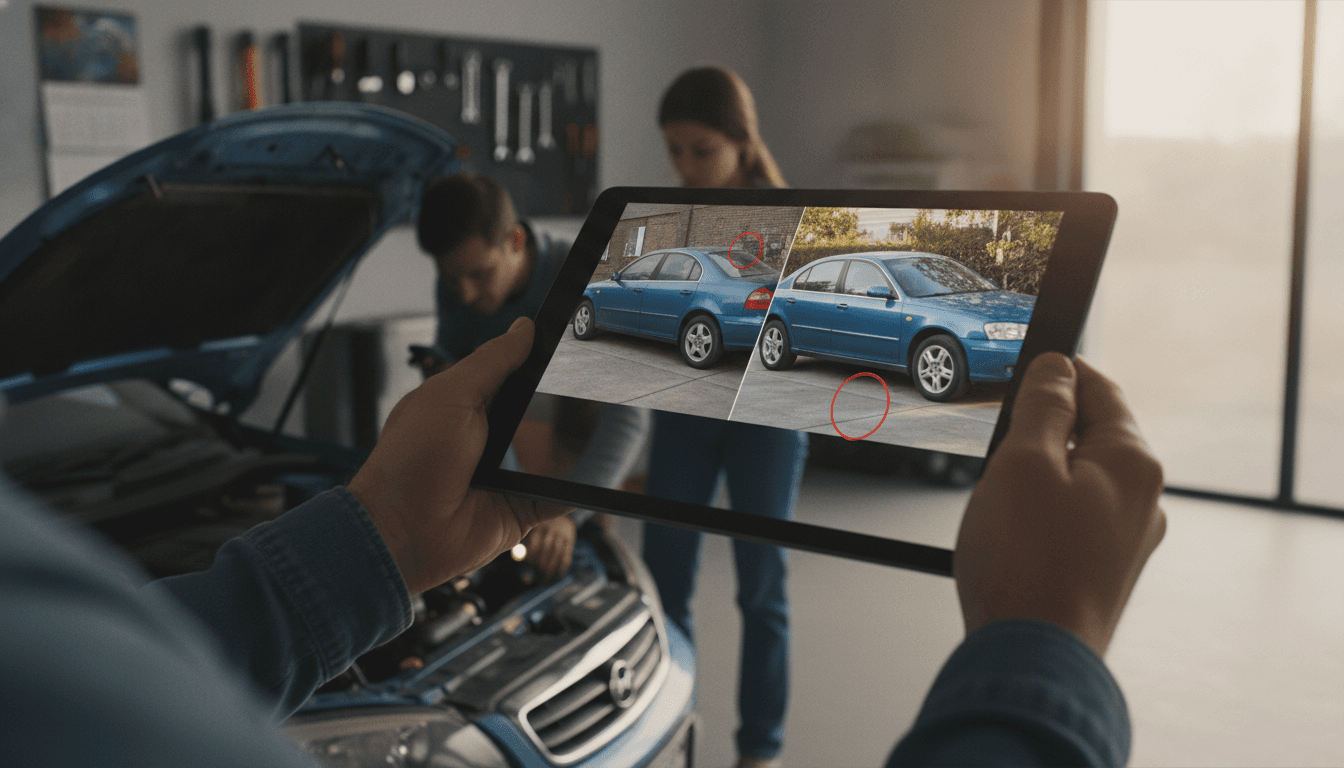
How to Spot Used Car Listing Discrepancies in Photos (2026 Guide)
Our 2026 guide helps you spot used car listing discrepancies in photos. Learn to identify hidden damage, digital edits, and inconsistencies before you buy.

The Ultimate 2026 Guide to Remote Used Car Inspections: Verify Condition from Anywhere
Stop guessing. Our complete remote used car inspection guide 2026 helps you spot hidden damage and avoid costly mistakes from your couch, using AI and digital vetting.
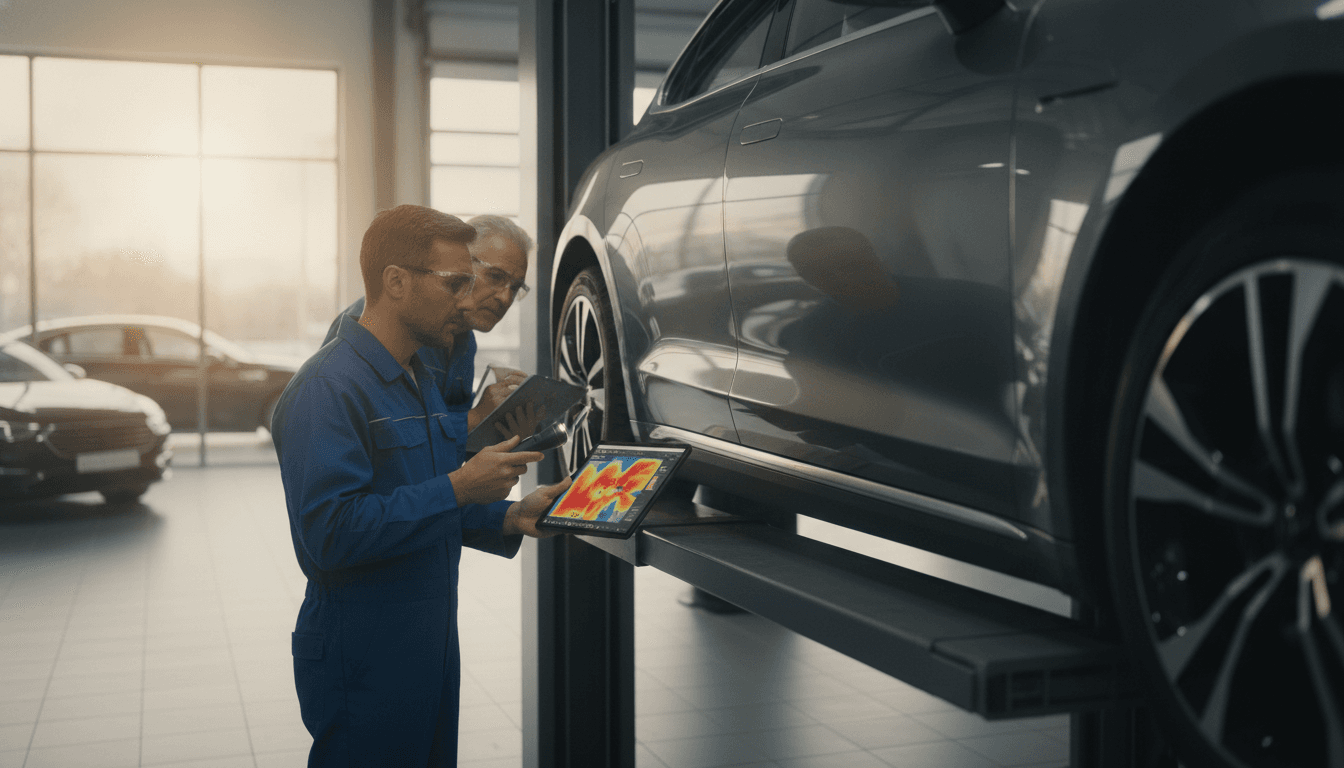
AI Detects Concealed Car Damage That Fools Expert Human Inspectors
Sellers are experts at hiding problems. Discover how AI detects masterfully concealed car damage, like frame repairs and paintwork, that your eyes will miss.