
The Ultimate AI-Powered Used Car Inspection Checklist 2026
Don't get ripped off in the 2026 market. Our AI-powered used car inspection checklist 2026 helps you spot hidden damage and avoid costly mistakes before you even see the car.
AI-assisted research and drafting; factual sources are linked in the article.

Is This Used Car a Good Deal or a Ticking Time Bomb?
You've been scrolling for hours. Marketplace, Autotrader, dealer sites—they all blur together. You finally find it: a 2021 Ford Escape with decent mileage, in the right color, and priced just a little better than the others. Is this the one? Or is it a $4,000 transmission problem waiting to happen the month after you buy it?
That anxiety is real. In the 2026 used car market, prices are still stubbornly high and good cars get snapped up fast. You feel pressured to move quickly, but you're terrified of making a multi-thousand-dollar mistake. You don't need another article listing 50 generic things to check. You need a way to decide, right now, if this car is even worth your time to go see.
This isn't just another checklist. This is a decision framework. We'll cover the critical mechanic-level checks you can do yourself, but more importantly, we’ll show you how to spot the deal-breakers from your couch before you waste a drop of gas or a minute of your weekend.
The New Reality: Why Your Dad's Checklist Isn't Enough
Sellers know the market is tight. They know buyers are desperate. This creates the perfect environment for problems to be hidden, intentionally or not. A quick wash and some tire shine can make a neglected car look pristine in photos. The seller might not even know about the slow oil leak or the shoddy accident repair from a previous owner.
Consider a 2019 Honda Accord with 70,000 miles. It looks perfect online. But what the photos don't show is that it was in a minor front-end collision. The repair shop used a non-OEM bumper and the paint match is 5% off. Your eyes might not catch it under the dealership's fluorescent lights, but it's a permanent red flag that kills the car's resale value. You're not just buying a car; you're inheriting its history, and its hidden costs.
The In-Person Inspection: Your First Line of Defense
If a car passes your initial online screening (more on that in a minute), you need to get your hands on it. Don't just kick the tires. Be methodical. This is your interview with the car.
Exterior: Look for the Story, Not Just the Shine
- Uneven Panel Gaps: Crouch down and look at the car's lines. The space between the hood and the fenders, or around the doors and trunk, should be pencil-thin and perfectly consistent. A gap that’s wider at the top than the bottom is a dead giveaway of a past accident and a sloppy repair. This could point to hidden frame damage.
- Paint Mismatch and Texture: View the car in bright, direct sunlight from multiple angles. Does the plastic bumper's color look exactly like the metal fender next to it? It should. Look for a texture like an orange peel in the reflection. That means it’s been repainted. A cheap paint job can start peeling in a couple of years, costing you $1,500+ to fix properly.
- Tires Are a Crystal Ball: Don't just check the tread depth. Check the date code (a four-digit number like '3422', meaning the 34th week of 2022) on the sidewall. Tires over 6 years old are a safety hazard and a hidden $900 expense you'll have to cover immediately. Also, check for uneven wear. If the inside edge of the tires is bald on a 2018 Subaru Forester, you could be looking at a $1,200 bill for alignment and suspension parts.
Interior: Clues of a Hard Life
- Wear vs. Neglect: A worn driver's seat on a 120,000-mile commuter car is normal. But if the brake pedal is worn down to the metal and the odometer says 40,000 miles, the numbers aren't adding up. Trust the physical evidence.
- Push Every Single Button: Don't be shy. Test the windows, locks, sunroof, heated seats, A/C (on max cold), and heat (on max hot). A broken infotainment screen on a modern GMC Acadia isn't a small fix; it can be a $2,000 replacement.
- The Sniff Test: A musty, damp smell is a deal-breaker. It signals a water leak from a bad window seal or a clogged sunroof drain. This can lead to fried electrical modules and dangerous mold—a repair nightmare that can easily exceed $3,000.
Under the Hood: The Engine's Health Report
- Fluids Tell All: Pull the oil dipstick. If the oil looks milky or foamy like a latte, walk away. This means coolant is mixing with the oil, a classic sign of a blown head gasket—one of the most expensive engine repairs, often costing $2,500-$4,000.
- Check Belts and Hoses: Look for visible cracks, fraying, or bulging. A snapped serpentine belt will leave you stranded instantly and can cause other engine components to fail.
- Listen Closely: When you start the car (make sure the engine is cold), listen for any ticking, knocking, or squealing sounds that don't go away after a few seconds.
The Flaws Your Eyes Will Miss (But an AI Won't)
That list is solid. But it has one major flaw: you have to drive across town to do it. You could spend your entire Saturday looking at three cars that all have hidden, fatal flaws you could have known about from your kitchen table.
This is where technology changes the game. The modern buyer’s secret weapon is an initial pre-screening using AI. Think of it as a digital first-pass that weeds out the duds. An AI-powered used car inspection checklist 2026 starts before you ever leave the house.
AI analysis of listing photos can spot things the human eye—especially on a small phone screen—will miss:
- Hidden Body & Paint Work: AI algorithms can analyze the millions of pixels in a photo, detecting subtle shifts in color, reflection, and light that indicate a panel has been repainted. It can measure panel gaps from a 2D photo with a level of precision that is simply impossible for a person.
- Deceptive Photos & Scams: Is the seller using a stock photo? Is the picture a screenshot from another ad? AI can catch these tricks, which are often used to hide the car's true condition or location.
- Identifying Common Model-Specific Flaws: A smart AI tool can cross-reference the car's make, model, and year with known issues. It knows to look extra carefully at the rocker panels on older Ford trucks for rust or to flag potential water pump issues on certain BMW models at specific mileages.
Real-World Example: The "Great Deal" 2020 Jeep Grand Cherokee
A buyer finds a Grand Cherokee listed for $1,800 below market. The photos look clean, the seller is responsive. The old way? You drive an hour, spend 30 minutes looking it over, and maybe you notice the slight difference in the gloss on the driver's side door. You've wasted half your day to uncover a problem.
The new way? You spend $5 and 60 seconds to run the listing photos through CarScanAI. The report comes back with a 92% confidence rating of paint mismatch on the driver's door and rear quarter panel. It also flags inconsistent gaps around the door itself. Decision made. You just saved three hours of your life and avoided pursuing a car with a sketchy past.
Your New 2026 Car Buying Playbook
Stop thinking of this as one big, scary decision. Break it down into smart, manageable steps that filter out the bad options at each stage.
- Browse Listings: Find 3-5 cars that fit your budget and needs.
- Run the AI Pre-Screen: This is your new, non-negotiable step. Before contacting anyone, analyze the listing photos. Does the car have signs of hidden repairs? Is the seller being deceptive? This is the cheapest, fastest way to eliminate 80% of the bad apples.
- Perform the In-Person Inspection: If a car passes the AI check, now it's time to go see it. Use the hands-on checklist from this article.
- Schedule a Professional PPI: If it passes your inspection, it's earned the right to be seen by a professional. Pay a trusted independent mechanic $150-$250 for a full pre-purchase inspection. This is the final confirmation.
This process saves you time, money, and the emotional drain of dealing with bad cars and dishonest sellers. You only invest your serious time and energy in the top-tier candidates.
Your Next Logical Step
Found a listing that seems almost perfect? Before you rearrange your schedule for a test drive, you need to validate that initial good feeling. A CarScanAI Quick Check on the listing photos is the bridge between seeing a car online and deciding to see it in person.
It takes about a minute and costs less than the gas you'd waste driving to see a dud. It will screen for the exact issues we've talked about—paintwork, panel gaps, photo authenticity—giving you the data you need to decide if that car is truly worth your time. This is the first step in creating your own AI-powered used car inspection checklist 2026 and buying your next car with confidence.
Have a listing in mind?
Run a free first-pass check using the year, make, model, mileage, and asking price. No account required.
Check a Listing FreeRelated Articles

The Silent Killers: 7 Hidden Used Car Problems Even Savvy Buyers Overlook (and How to Spot Them)
Don't get burned. We expose 7 hidden used car problems overlooked in a typical inspection that cost thousands. Learn to spot red flags before you buy.
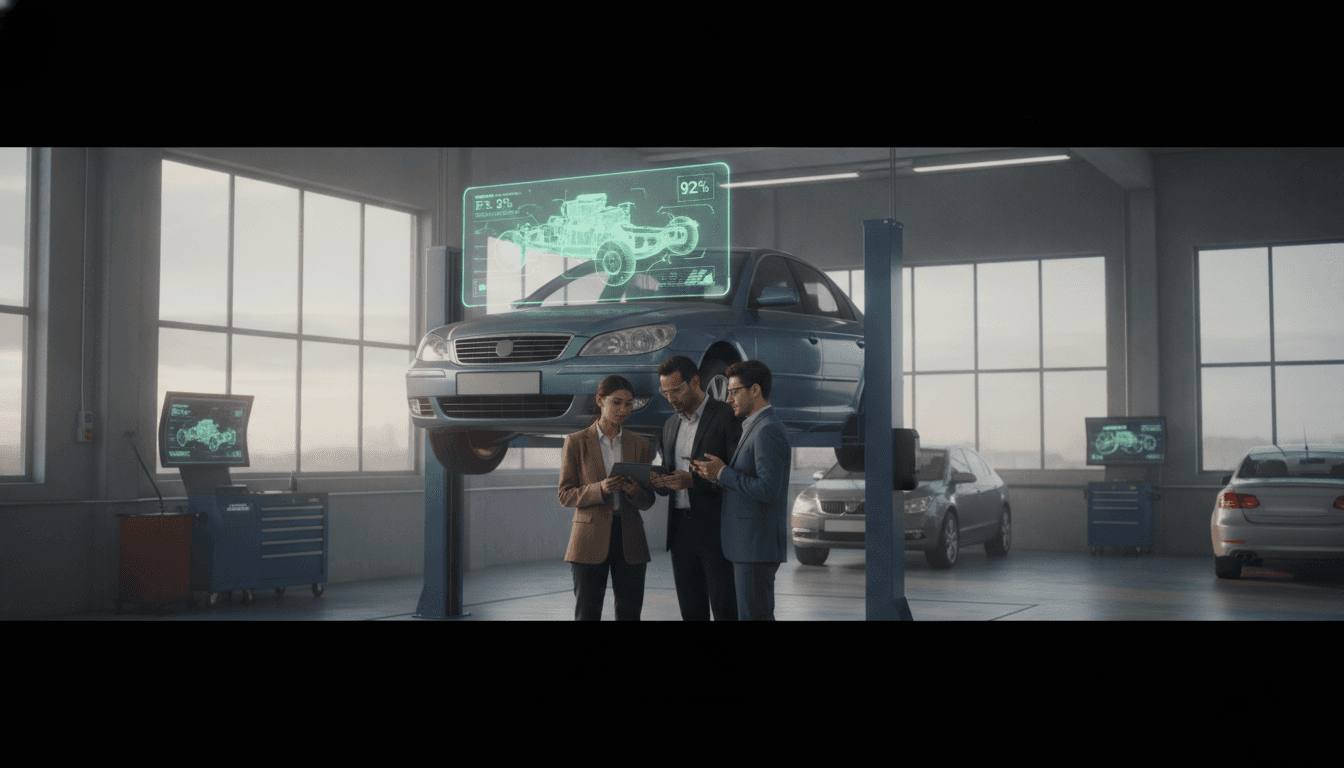
Used Car Future Health Inspection: Combining AI & Mechanics for Smarter Buying
Learn why a traditional PPI isn't enough. Our guide explains how a used car future health inspection AI complements a mechanic for a complete reliability forecast.
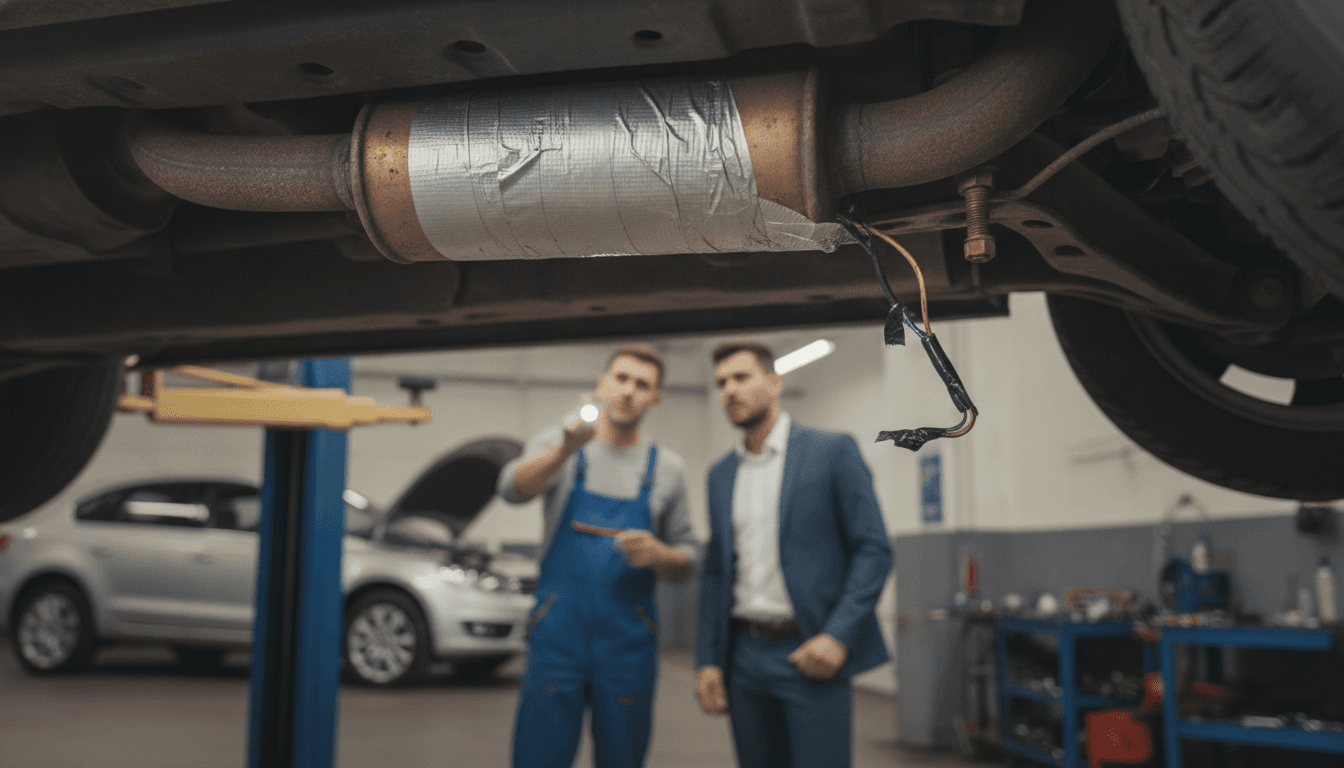
Don't Get Stuck: How to Spot Band-Aid Repairs on Used Cars
Sellers use cheap 'band-aid' repairs to hide costly problems. Learn the red flags and how AI is changing detecting band-aid repairs in used car inspection.