
Don't Get Duped: How to Spot Undisclosed Accident & Flood Damage in Used Cars (2026 Guide)
Feeling anxious about a used car deal? This 2026 guide helps you spot hidden accident and flood damage before you make a costly mistake. Don't get duped.
AI-assisted research and drafting; factual sources are linked in the article.
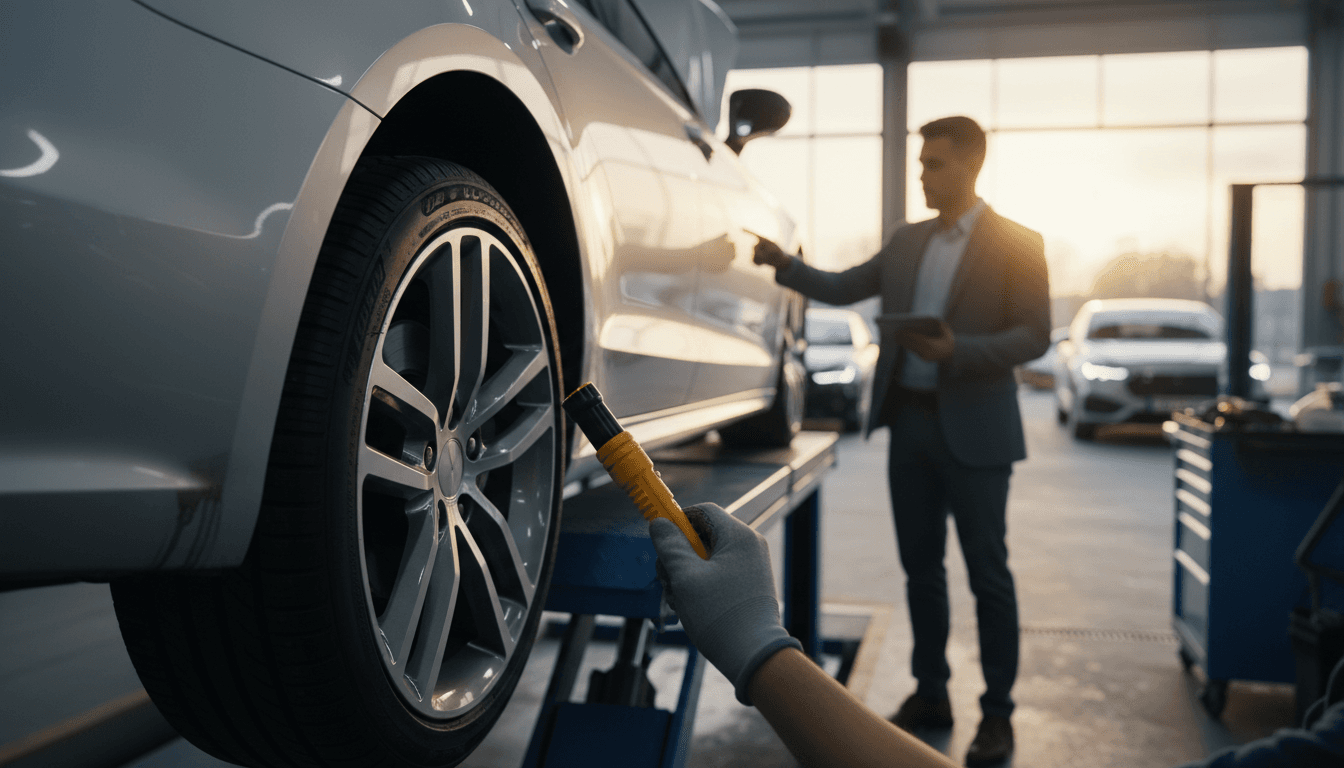
You found it. A 2021 Honda CR-V with decent mileage, a clean interior, and a price that seems… almost too good to be true. The seller seems nice enough and even sent you a 'clean' CarFax report. But a knot is forming in your stomach. Is this the deal you’ve been waiting for, or are you about to inherit someone else’s $8,000 nightmare?
That anxiety is real, and it’s justified. A shiny exterior can easily hide a history of bent frames, corroded electronics, and shoddy repairs. This isn’t just about getting a good deal; it's about not getting duped into buying an unsafe money pit. This guide is your decision tool. We’re not going to list 50 things to check. We’re going to focus on the critical red flags that tell you when to walk away before you waste your time, money, and emotional energy. Let's dive into our Don't Get Duped: How to Spot Undisclosed Accident & Flood Damage in Used Cars (2026 Guide).
The “Clean” History Report Lie
You’re looking at a listing for a 2019 Ford Escape. The seller proudly states, “Clean CarFax, no accidents!” You feel a wave of relief. This must be a safe bet, right?
Wrong. This is the single biggest trap for used car buyers.
A “clean” history report only means one thing: no accidents were officially reported to insurance or the DMV.
Think about it. A driver backs into a pole, crushing a bumper and a taillight. The repair estimate is $2,800. Their insurance deductible is $1,000, and they know their premium will skyrocket. What do they do? They pay a local shop $2,200 cash to fix it off the books. The car looks good as new, and the CarFax report remains spotless. The vehicle is later sold to an unsuspecting buyer who has no idea the rear impact sensor was improperly replaced, potentially disabling the entire airbag system.
Why You Can't Solely Trust a Vehicle History Report:
- Unreported Repairs: As many as 50% of all accidents are never reported to insurance, especially those under the $3,000-$5,000 mark.
- Title Washing: A car is totaled by flood damage in one state, given a “salvage” title, then sold to a dealer in another state with lax regulations. They apply for a new title, and mysteriously, the “salvage” brand disappears. The car now has a “clean” title again.
- Delayed Reporting: Sometimes it takes months for an incident to appear on a report. By then, the car has already been sold two or three times.
The Decision Point: A clean report is a green flag to continue your research, not a green light to buy the car. It tells you what’s known, not what’s hidden. You still have to play detective.
The Two Secrets That Will Bankrupt You: Frame Damage & Flood Cars
Okay, so the history report isn’t a magic bullet. But how bad can a hidden repair really be? It's just cosmetic, right? This is where a $15,000 car turns into a $23,000 mistake. Let’s talk about the two costliest secrets a used car can hide.
Secret #1: The Accident Money Pit (Bent Frames & Bad Repairs)
A car’s body isn’t just for looks; it’s a complex unibody structure designed to crumple in specific ways to protect you during a crash. When that structure is compromised and not repaired perfectly, the car is never the same. It's not just less safe; it's a financial black hole.
What to Look For:
- Uneven Panel Gaps: Stand back from the car. Look at the lines between the hood and the fenders. Look at the gap around the doors and the trunk. Are they tight and perfectly even all the way around? Or is the gap wider at the top than the bottom? A gap you can fit your finger in is a massive red flag. This often means the car’s frame is slightly twisted, and the panels no longer line up.
- Mismatched Paint & Overspray: Look at the car in bright, direct sunlight. View it from an angle so the light reflects off the side. Does the reflection look wavy or distorted as it passes from the door to the fender? Does the color of the bumper look slightly different from the hood? This signals a cheap repaint. Now, get close. Check the black plastic trim, the rubber window seals, and the headlights for tiny specks of paint (overspray). A professional factory paint job is clean; a sloppy body shop repair isn’t.
The Real-World Cost:
You see a 2020 Toyota Tacoma that looks perfect, but you notice the gap between the front bumper and the grill is a little wider on the left. The seller says, “it’s always been like that.”
- The Hidden Problem: This could indicate a minor parking lot bump, or it could mean a front-end collision bent the frame horns—the parts of the frame that hold the bumper.
- The Repair Bill: Straightening a frame requires a specialized, expensive machine and can easily cost $5,000 to $10,000. Even after the repair, the car may suffer from premature tire wear and alignment issues for the rest of its life, costing you hundreds every year.
Secret #2: The Flood Car Ticking Time Bomb
With increasingly common extreme weather events, more flood-damaged cars are hitting the market than ever. Sellers are experts at cleaning them up, but the damage is insidious and often takes months to surface.
Water gets into everything: the wiring harness, the engine control unit (ECU), airbag sensors, seat motors, and the infotainment system. Corrosion starts silently and spreads like a cancer through the car’s electronic nervous system.
What to Look For:
- The Obvious is Hidden: Don’t just rely on a musty smell. Sellers use ozone generators and “fragrance bombs” to mask the odor for weeks.
- Silt and Grime: This is the giveaway. Lift up the floor mats. Can you see a fine line of dried mud or silt underneath? Pull back the carpet near the pedals or under the back seat. Is there any sign of moisture, rust, or dirt where there shouldn’t be?
- Rust in Strange Places: Check the bolts that hold the seats to the floor. Look at the metal brackets under the dashboard. These pieces are untreated metal and should not have surface rust on a late-model car. Rust here is a huge red flag for water damage.
- Foggy Lights: Is there condensation or a visible water line inside the headlights or taillights? This indicates the seals have failed, likely from being submerged.
The Real-World Cost:
You’re considering a 2022 Hyundai Palisade from a private seller in a state that had major flooding six months ago. The car looks immaculate.
- The Hidden Problem: Saltwater corroded the main wiring harness deep under the dashboard.
- The Repair Bill: Two months after you buy it, the dashboard lights start flashing randomly. The power windows stop working. The mechanic gives you the bad news: the entire wiring harness needs to be replaced. This involves removing the entire dashboard and interior. The cost? $7,000 - $9,000, and the car’s reliability is forever shot.
Your 60-Second Digital Inspection From Your Couch
So how do you weed out these potential disasters without spending your entire weekend driving all over town? You start with the listing photos. You can disqualify most bad cars before you ever message the seller.
Before you get emotionally invested, become a ruthless photo inspector. This is a key part of our strategy to spot undisclosed accident & flood damage in used cars. Open the listing on the biggest screen you have and look for:
- Reflections Don't Lie: In photos taken outdoors, look at the reflection of trees, clouds, or buildings in the side of the car. As you scan your eyes across the reflection from one panel to the next (e.g., from the rear door to the rear quarter panel), does the reflection become wavy or distorted? This is a sign of body filler and a poor repair.
- Suspiciously New Parts: Does a 4-year-old car have one crystal-clear, brand-new headlight while the other is slightly faded? Why was just one replaced? The most common reason is an accident.
- Mismatched Tires: Are there different brands of tires on the front and back? Or worse, on the same axle? This can be a sign of a cheap owner who cuts corners on maintenance. If they’re skimping on tires, what else are they hiding?
- Cropped or Blurry Photos: Why is the seller only showing you three-quarters of the car? Why are there no pictures of the dashboard or the engine bay? If they're hiding something in the photos, you can bet they're hiding something bigger in person.
The Decision Point: You have five tabs open with five different cars. By spending one minute scrutinizing the photos of each, you can likely close three of those tabs with confidence. You just saved yourself three hours of driving and the frustration of seeing junk in person.
Don't Get Duped. Get Certainty.
Buying a used car is a massive financial decision, and you have every right to be skeptical. A “good deal” can quickly become your biggest financial regret. You now understand that a clean history report isn't enough and that the real dangers—frame damage and flood corrosion—are expensive secrets you can't afford to discover after you've signed the title.
You're scrolling through listings right now, trying to decide which car is worth a 45-minute drive. The fear of making a mistake is what holds you back.
Before you burn that gas and time, what if you could get a second opinion on the photos themselves? CarScanAI uses computer vision to spot the subtle signs of repair we just talked about—panel gaps, paint mismatch, and more—that the human eye (and even a clean history report) often misses. A Quick Check on a listing costs less than a cup of coffee. It can help you instantly decide if that “great deal” is a disaster waiting to happen. Screen the photos before you even message the seller. It’s the smartest first step you can take to avoid getting duped.
Have a listing in mind?
Run a free first-pass check using the year, make, model, mileage, and asking price. No account required.
Check a Listing FreeRelated Articles
Digital Pre-Screening Used Car Listings: Find Hidden Issues in 2026
Master digital pre-screening for used car listings to find hidden issues in 2026. This guide covers photo analysis, VHRs, and seller vetting to avoid bad buys.
2026 Guide to Spotting Hidden Damage from a Private Car Seller
Don't get scammed. Our 2026 private seller used car inspection checklist helps you spot hidden damage and avoid costly mistakes before you even see the car.

Spotting Used Car Photo Feature Discrepancies: A Buyer's Guide
Learn how to identify used car photo feature discrepancies. Our guide shows you how to cross-reference photos, use a VIN check, and leverage AI to avoid scams.