
Digital Pre-Screening Used Car Listings: Find Hidden Issues in 2026
Master digital pre-screening for used car listings to find hidden issues in 2026. This guide covers photo analysis, VHRs, and seller vetting to avoid bad buys.
AI-assisted research and drafting; factual sources are linked in the article.
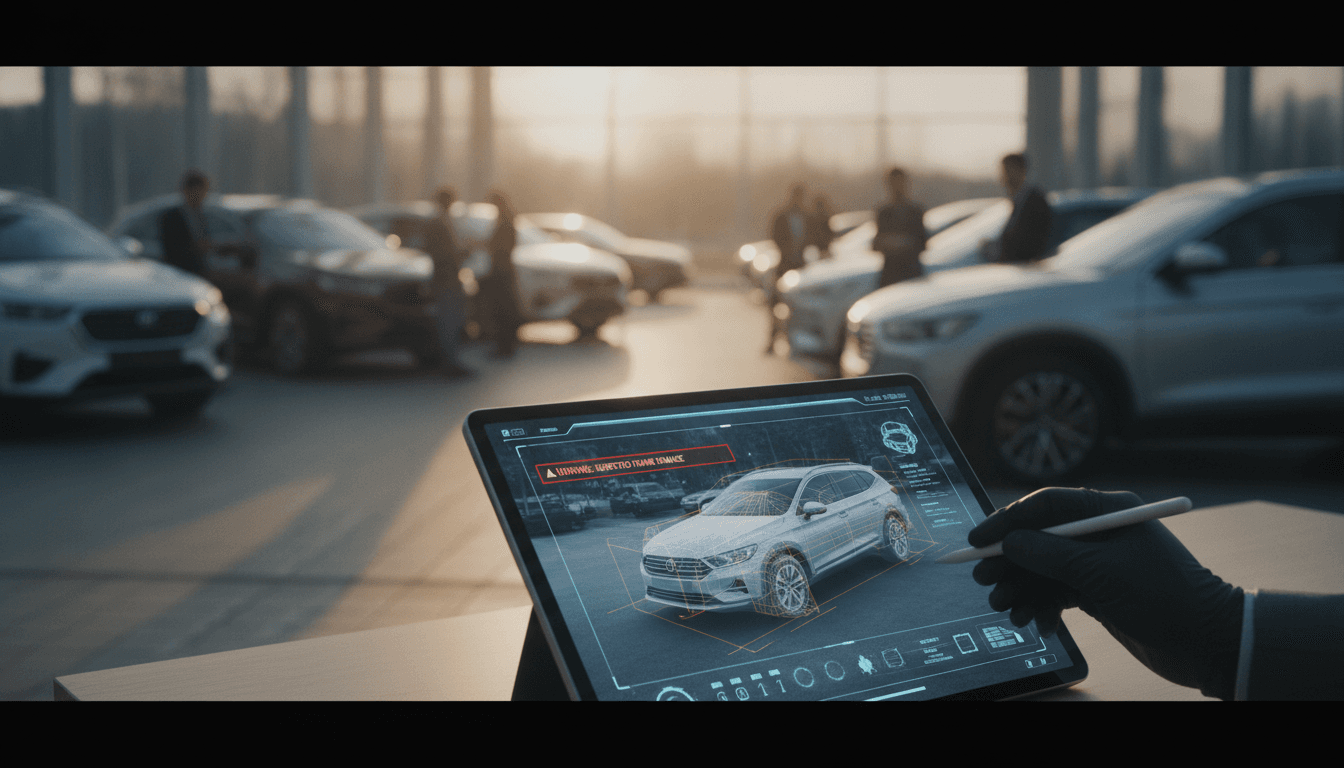
Buying a used car is one of the biggest purchases many people make, and the wrong choice can lead to significant financial headaches and stress. The crucial decision you face as a used car shopper is this: Should I invest my valuable time and money into physically inspecting a particular used car, or should I confidently dismiss it based on my digital investigation?
The short answer is to empower yourself as a "digital detective" and rigorously pre-screen every online listing. By meticulously analyzing every online element—photos, descriptions, and seller communications—you can uncover deliberate deception, inconsistencies, and subtle red flags that point to hidden problems or scams. This proactive, comprehensive digital vetting strategy will help you filter out problematic vehicles early, saving you countless hours and preventing costly mistakes before you even consider a physical inspection. In 2026, with the increasing sophistication of online listings and the support of AI inspection services like CarScanAI, becoming a digital detective is more effective than ever.
The High Stakes of Hasty Decisions
In today's used car market, a bad purchase can mean more than just buyer's remorse. Undisclosed accidents, neglected maintenance, or title issues can lead to unexpected repair bills, safety concerns, and difficulty reselling the vehicle down the line. The Federal Trade Commission (FTC) advises consumers to research a used car's history, check for recalls, and get an independent inspection before buying. This due diligence starts long before you set foot on a dealership lot or meet a private seller. Your goal is to become adept at spotting digital red flags that indicate a vehicle might be hiding something, allowing you to quickly move on to more promising options.
The Digital Detective's Toolkit: Unmasking Hidden Issues Online
Your journey as a digital detective begins with a critical examination of the listing itself. Every pixel and every word can contain clues.
1. Photo Forensics: What the Camera Captures (and Hides)
Photos are often the first point of contact with a used car listing, but they can be carefully curated to conceal flaws. Your job is to look beyond the flattering angles.
- Inconsistencies and Missing Angles: A comprehensive listing should include photos of all exterior sides, the interior (front and back), engine bay, trunk, and odometer. Be wary of listings with only a few shots, especially if they're all from the same angle or taken in poor lighting. Missing key angles (e.g., no rear bumper shot, no clear view of the driver's side) can indicate a deliberate attempt to hide damage or significant wear.
- Staging and Distraction: Is the car impeccably staged with props or in an unnatural setting? Sometimes sellers use attractive backdrops or clever angles to distract from less appealing aspects of the vehicle itself. Look for reflections in the paint that might reveal uneven surfaces, or objects placed strategically to block views of specific areas.
- Panel Gaps and Alignment: Closely examine the gaps between body panels (doors, hood, fenders, trunk). If these gaps are inconsistent, wider on one side, or don't line up smoothly, it could be a sign of previous bodywork or an accident. While photo analysis can't confirm accident history, it can raise a red flag for further investigation.
- Tire Condition: If clear photos of the tires are available, look for uneven wear patterns, which might suggest alignment issues, suspension problems, or even frame damage. Deep, uniform tread is a good sign.
- Interior Wear and Tear: Scrutinize interior photos for excessive wear on seats, steering wheel, and pedals. This can be an indicator of high mileage, even if the odometer isn't clearly visible or seems low. Pay attention to dashboard lights—if a "check engine" or "maintenance required" light is visible, it demands immediate inquiry.
- Rust Clues: Examine areas prone to rust like wheel wells, rocker panels, door sills, and around windows. Surface rust may not be a deal-breaker, but extensive or structural rust is a serious concern.
- Cleanliness vs. Cover-Up: A sparkling clean engine bay might seem positive, but it could also be an attempt to hide oil leaks or other fluid issues. Similarly, an overly detailed interior might be masking lingering odors or stains.
What photos can't tell you: While photos are excellent for spotting cosmetic red flags, they cannot reliably determine hidden mechanical issues, guarantee accident history, confirm the vehicle's true condition, verify authenticity, or definitively establish its price.
2. Description Deep Dive: Reading Between the Lines
The listing description is a goldmine of information—and sometimes, deliberate omissions.
- Vague Language and Lack of Detail: Descriptions filled with generic phrases like "runs great," "must see," or "minor cosmetic flaws" without specifying details are red flags. A trustworthy seller will provide specific information about the vehicle's features, maintenance history (if available), and any known issues.
- Keyword Analysis: Does the description mention recent repairs or significant maintenance? Look for terms like "new tires," "recent brake job," or "timing belt replaced." The absence of any such details for a higher-mileage vehicle might suggest neglected maintenance.
- Inconsistencies with Photos: Does the description claim a feature that isn't visible in the photos (e.g., "leather seats" but photos show cloth)? Does it mention recent damage that isn't apparent in the pictures, or vice versa?
- "As-Is" or "No Test Drives": While many used cars are sold "as-is," an emphasis on this phrase, especially from a private seller, coupled with a refusal for test drives or pre-purchase inspections, is a major warning sign. This indicates the seller might be trying to avoid liability for undisclosed issues.
- Missing Essential Information: A comprehensive description should include:
- Make, model, year, trim
- Mileage
- VIN (Vehicle Identification Number)
- Engine type and transmission
- Any known issues or recent repairs
- Asking price
- Contact information and preferred communication method
- Title status (clean, salvage, rebuilt) – critical for verification.
- Too Good to Be True Pricing: Use online valuation tools (like Kelley Blue Book or Edmunds) to get an estimate of the vehicle's market value. If the price is significantly lower than similar vehicles, proceed with extreme caution—it could be a scam or indicate serious underlying problems. The FTC warns consumers about scams involving vehicles priced well below market value.
3. Seller Communication: Your First Interview
The way a seller communicates can reveal a lot about their trustworthiness and the vehicle's history.
- Initial Contact and Responsiveness: Pay attention to how quickly and thoroughly the seller responds to your inquiries. Evasive answers, extreme delays, or refusal to provide more information are red flags.
- Specific Questions: Prepare a list of targeted questions based on your photo and description analysis.
- "Can you provide the VIN for a history report?" (This is non-negotiable for serious buyers).
- "What is the reason for selling?"
- "Can you tell me about the car's maintenance history?"
- "Are there any known mechanical issues or warning lights currently on?"
- "When was the last service performed?"
- "Are there any accidents or damage you haven't mentioned?"
- Assessing Evasiveness: If a seller deflects questions, provides vague answers, or pressures you to commit without providing requested information, it's a strong indicator to walk away. A reputable seller will be transparent and willing to provide details.
- Communication Channel: Be wary of sellers who insist on communicating only through insecure channels or refuse to speak on the phone. Scammers often prefer to avoid direct conversations.
4. Public Records & Tools: The Digital Paper Trail
Once you have the VIN, you unlock a wealth of information from official sources. This step is non-negotiable for serious buyers.
- Vehicle History Reports (VHRs): Services like CarFax and AutoCheck provide comprehensive reports using the VIN. These reports can reveal:
- Previous accidents, damage, and repairs.
- Title issues (salvage, rebuilt, flood damage, odometer tampering).
- Service history (if reported).
- Number of previous owners.
- Odometer discrepancies.
- Lien information.
- Recall information (though cross-reference with NHTSA is best).
- Government Databases:
- National Highway Traffic Safety Administration (NHTSA) Recalls: Use the VIN to check for open safety recalls at NHTSA.gov/recalls. Unaddressed recalls can pose serious safety risks and may require expensive repairs.
- Environmental Protection Agency (EPA): For fuel economy and emissions information specific to the make and model, visit FuelEconomy.gov.
- State Department of Motor Vehicles (DMV): Some state DMVs offer VIN check services for title history, liens, or emissions test results.
- Lien Check: It's crucial to ensure there's no outstanding loan or lien on the vehicle before purchase. You can often check this through your state's DMV or Secretary of State office. If there's a lien, the seller must clear it before transferring the title to you.
- Online Searches for the Vehicle/Seller: A quick search of the vehicle's VIN or even the seller's name (if available) can sometimes reveal forum discussions about recurring issues with a specific model or expose seller scams. Be mindful of privacy and stick to publicly available information.
5. The AI Advantage: Crucial Assistance from CarScanAI
In 2026, AI-powered tools like CarScanAI can significantly enhance your digital detective work. These services are designed to quickly process and analyze massive amounts of data, identifying patterns and discrepancies that might take a human detective hours to uncover.
- Automated Listing Analysis: CarScanAI can rapidly scan a used car listing, cross-referencing information from the description and photos with databases of known issues, common scams, and market valuations. It can flag inconsistencies in the seller's claims or point out missing essential details.
- Red Flag Identification: Our AI-assisted screening tool can highlight specific red flags in photos, such as suspicious panel gaps or obscured areas, and in descriptions, like unusually low prices or vague statements about condition.
- Data Integration: CarScanAI can integrate data from multiple sources (like VHRs, recall databases, and market data) to provide a more holistic risk assessment of a vehicle before you commit to a physical viewing.
- Pre-Vetting Efficiency: By automating much of the initial screening, CarScanAI allows you to quickly filter out listings that are likely problematic, directing your focus to vehicles that warrant further investigation.
Important Note: CarScanAI is an AI-assisted screening tool designed to help you pre-screen used car listings. It does not replace an in-person inspection by a qualified mechanic, which remains the definitive step before purchasing any used vehicle.
Your Digital Detective's Decision Framework
Use this checklist to guide your pre-screening process for every used car listing. If a listing fails multiple checks, move on.
- Photos:
- Are all angles covered (exterior, interior, engine, trunk, odometer)?
- Are panel gaps consistent and even?
- Are tires shown clearly with good, even tread?
- Any warning lights visible on the dash?
- Signs of excessive rust?
- Is the car unusually staged or are key areas obscured?
- Description:
- Is the VIN provided?
- Is the mileage consistent with interior wear and listing details?
- Are there specific details about maintenance and features, or is it vague?
- Any "as-is" or "no test drive" clauses with no clear explanation?
- Is the price realistic compared to market value?
- Is title status clearly stated?
- Seller Communication:
- Are responses prompt and thorough?
- Does the seller answer specific questions directly, or are they evasive?
- Is the seller pressuring you to commit quickly?
- Are they willing to provide the VIN and discuss a pre-purchase inspection?
- Public Records:
- Did a VIN check (CarFax/AutoCheck) reveal accidents, title issues, odometer fraud, or other major red flags?
- Are there any open safety recalls listed on NHTSA.gov?
- Is there an active lien on the vehicle?
- AI Assistance (CarScanAI):
- Did the CarScanAI listing analysis flag any significant inconsistencies or red flags?
- Did it provide insights that complement your manual review?
If a listing passes these digital checks, you've successfully completed the first crucial step of vetting. Only then should you consider arranging a physical viewing and, most importantly, a professional pre-purchase inspection by an independent mechanic.
Becoming a digital detective saves you time, money, and stress. It empowers you to make informed decisions and confidently filter out problematic vehicles, allowing you to focus your energy on truly promising options.
Start your digital detective work now. Run a free listing check at https://carscanai.net/listing-check before arranging a viewing.
Sources
- Federal Trade Commission. Buying a Used Car.
- National Insurance Crime Bureau (NICB). How to Spot Flood Damaged Cars.
- Carfax. What's a VIN Check?.
- National Highway Traffic Safety Administration. Check for Recalls.
Have a listing in mind?
Run a free first-pass check using the year, make, model, mileage, and asking price. No account required.
Check a Listing FreeRelated Articles

Spotting Used Car Photo Feature Discrepancies: A Buyer's Guide
Learn how to identify used car photo feature discrepancies. Our guide shows you how to cross-reference photos, use a VIN check, and leverage AI to avoid scams.
How to Avoid Used Car Money Pits in 2026: A Deeper Dive
Don't get stuck with a lemon. Learn how to avoid used car money pits in 2026 by spotting the subtle signs of future major repairs that CarFax misses.
Don't Get Duped: How to Spot Undisclosed Accident & Flood Damage in Used Cars (2026 Guide)
Feeling anxious about a used car deal? This 2026 guide helps you spot hidden accident and flood damage before you make a costly mistake. Don't get duped.