
AI Pre-Purchase Inspection: Is Your Used Car Hiding Secrets in 2026?
A traditional PPI isn't enough. Learn how an AI enhanced pre-purchase inspection for a used car in 2026 can uncover hidden damage and save you thousands.
AI-assisted research and drafting; factual sources are linked in the article.
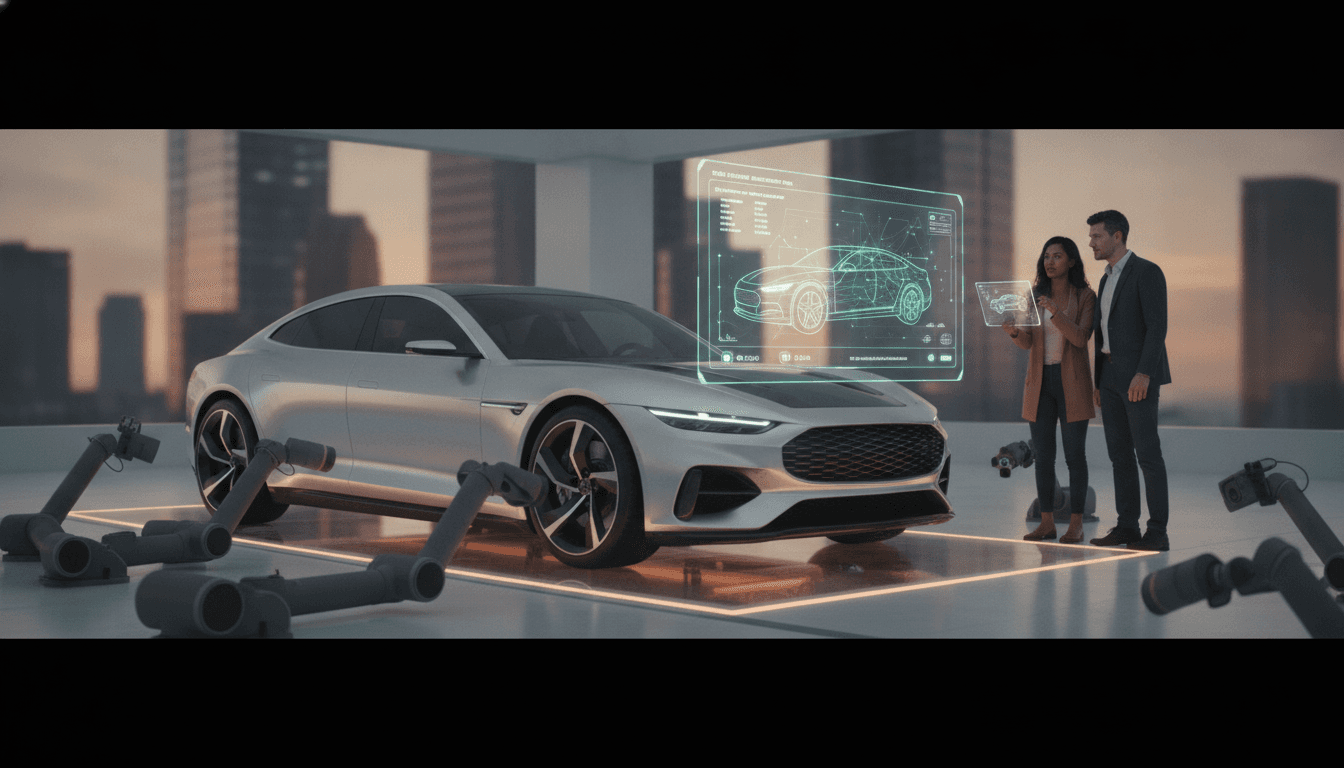
You Found the “Perfect” Car. Are You Sure You’re Not About to Make a $5,000 Mistake?
You’ve spent weeks scrolling through listings. Your eyes are blurry from comparing trim levels and mileage. Finally, you see it: a 2021 Honda CR-V, right color, clean CarFax, and photos that look like they belong in a brochure. The seller seems nice. You’re already picturing the road trips.
That little voice in your head, the one that’s been nagging you through this whole stressful process, pipes up: "Is it too good to be true? Am I about to get ripped off?"
You do the responsible thing. You budget $150 for a pre-purchase inspection (PPI) with a local mechanic. You feel like you’ve checked all the boxes. But what if the checklist you're using is ten years out of date?
The hard truth is that in 2026, a clean vehicle history report (VHR) and a standard PPI are no longer enough to protect you. Sellers are savvier, repairs are harder to spot, and a simple human oversight can leave you with a financial nightmare disguised as a daily driver. That “perfect” CR-V could be hiding a $4,000 secret the mechanic might miss, and the CarFax will never tell you about.
The Cracks in the Armor: Why Your VHR and PPI Aren't Foolproof
For years, the gold standard for used car due diligence has been a combination of a VHR and a mechanical PPI. But both have critical blind spots that smart, and sometimes dishonest, sellers exploit.
The CarFax Illusion
A CarFax or AutoCheck report is a great starting point, but that’s all it is. It only shows what’s been officially reported. Think about what that leaves out:
- Accidents settled with cash: A fender-bender where the at-fault driver paid the owner $2,500 out of pocket to avoid an insurance claim? It never happened, according to the VHR.
- Repairs at non-reporting shops: Many independent body shops don't report to services like CarFax. A car could have major structural work done, and the VHR will remain spotless.
- Fleet vehicle abuse: A former rental or company car that was driven hard and maintained just enough to stay running won't have a branded title. The VHR won't tell you it lived a life ten times harder than a privately owned vehicle.
In fact, a 2022 report from the Consumer Federation of America estimated that over one million vehicles for sale had un-repaired safety recalls. The VHR might not even be up to date on work that has been documented.
The Human Factor of a PPI
A good, trustworthy mechanic is worth their weight in gold. But they are human. They have about 90 minutes to assess a vehicle they’ve never seen before. Their primary focus is mechanical and safety: engine compression, brake life, suspension components, and fluid leaks.
They aren't forensic bodywork analysts. And this is where expertly concealed damage slips through.
Here’s what even a good mechanic can miss:
- Expertly blended paint: Modern body shops can blend new paint so seamlessly that it’s nearly impossible to spot the transition without a paint depth gauge—a tool not every mechanic uses during a standard PPI.
- Subtle “orange peel” texture: A repainted panel will almost never have the perfectly smooth, factory-applied finish. It will have a subtle bumpy texture, like the skin of an orange. It's incredibly difficult to see in poor lighting or on a dirty car.
- Replaced bolts: A sharp-eyed mechanic might spot a new fender, but will they notice the tiny scuffs on the bolts holding it in place? These marks are a dead giveaway that the panel has been removed or replaced.
They're looking for a cracked engine block, not a 3-micron difference in paint thickness. And that difference is exactly where a four-figure mistake is hiding.
The AI Advantage: A Magnifying Glass for Your Potential Purchase
This is where an AI enhanced pre-purchase inspection used car 2026 buyer has a massive advantage. Think of it as an objective, tireless expert who has analyzed millions of car photos, learning the unique fingerprint of a factory finish for nearly every make and model.
AI photo analysis doesn’t replace your mechanic; it supercharges your entire inspection process. It acts as a screening tool, flagging cosmetic and structural issues from the listing photos before you even waste your time or money.
Case Study: The 2021 Honda CR-V with a Secret
Let’s go back to that “perfect” $26,000 CR-V. The photos are glossy, the interior is immaculate. You run the listing photos through CarScanAI.
Sixty seconds later, you get a report.
- Red Flag: Inconsistent Paint Sheen. The AI detects a microscopic difference in the light reflection between the driver-side front fender and the driver's door. It’s a tell-tale sign of a repaint.
- Red Flag: Panel Gap Anomaly. The gap between the hood and the same fender is 1.5mm wider than factory spec. It's not enough to notice by eye, but it's a clear indicator of post-factory adjustment.
- Red Flag: Tool Marks Detected. A close-up analysis of the fender bolts reveals tiny scratches on the paint, indicating a wrench has been used on them.
The Verdict: This CR-V was in a collision significant enough to require a new fender and a repaint. The repair was good, but not perfect. A clean VHR means it was likely an unreported incident. The car’s real value isn’t $26,000; it’s closer to $22,000. For a $5 analysis, you just identified $4,000 in negotiating power, or you dodged a bullet entirely.
Your New 2026 Car Buying Workflow: Smarter, Not Harder
Stop thinking of the process as just Listings -> Test Drive -> Mechanic. That’s the old way. The new, smarter workflow saves you time, money, and crippling anxiety.
- Online Search: Find 3-5 listings that fit your criteria.
- AI Photo Screen (Your First Filter): Before messaging a single seller, run the listing photos through CarScanAI. This costs less than a gallon of gas and takes a minute. The report immediately tells you which cars have potential red flags for hidden bodywork, mismatched paint, or other cosmetic issues.
- Prioritize and Visit: Now you can focus. Maybe two of the five cars came back with clean AI reports. Those are the ones you visit first. You can even use the AI report to ask smarter questions: “The report noted some curb rash on the right rear wheel; was that from a specific incident?”
- Professional PPI (Your Final Confirmation): You’ve found the one. It passed the AI screen, you loved the test drive, and the seller seems transparent. NOW you pay for the full mechanical PPI. You’re not just hoping it’s a good car; you’ve already done your homework. The mechanic can focus on the engine and transmission, confident that you've already screened for the sneaky stuff.
You wouldn't buy a house without a foundation inspection. In 2026, buying a car without an initial AI screen is just as risky.
Real-World Red Flags: What AI Spots in Popular Models
This isn't theoretical. Here are specific issues in popular used cars and how an AI-powered analysis provides a critical layer of protection.
-
The Problem Car: A 2014-2017 Ford Focus with the infamous DPS6 automatic transmission.
- The Risk: These transmissions are known for shuddering and failing, a gut-wrenching $2,500+ repair. A seller can clear the check engine light right before you arrive.
- The AI Clue: While AI can't diagnose a transmission, it can spot evidence of recent work from undercarriage photos. It can flag non-OEM bolts on the transmission housing or fresh cleaning marks around an area known for leaks, hinting that a problem is being concealed.
-
The Problem Car: A 2007-2011 Toyota Camry with the 2.4L 2AZ-FE engine.
- The Risk: A well-documented oil consumption issue caused by faulty piston rings appears after 100,000 miles. The fix can range from $1,500 to a full engine rebuild costing $3,000+.
- The AI Clue: An owner trying to hide this will often steam clean the engine bay to remove oil residue. AI can detect the unnatural, residue-free cleanliness that is inconsistent with the vehicle's age and mileage. It can also flag a brand-new exhaust tip trying to hide the tell-tale black soot from burning oil.
-
The Problem Car: A 2018 Ford F-150 advertised with low mileage.
- The Risk: The truck was part of a construction fleet and driven into the ground, but the odometer was rolled back (a federal crime that's still shockingly common).
- The AI Clue: The AI compares the claimed mileage to the visual wear and tear. It will flag extreme wear on the driver's seat bolster, steering wheel, and pedals that's more consistent with a 150,000-mile vehicle than the advertised 45,000 miles. This is a crucial data point for anyone considering an AI enhanced pre-purchase inspection used car 2026 purchase.
Your Next Step Is 60 Seconds Away
You don't have to be a car expert to avoid getting scammed. You just need better tools. The anxiety you're feeling is valid—a used car is a huge purchase, and a mistake is costly. But you can replace that fear with confidence.
Don’t leave yourself vulnerable by relying on an outdated process. An objective, data-driven analysis of the listing photos is the single most important new step you can take.
Found a few cars online that look promising? Before you schedule a test drive or spend an afternoon driving across town, run them through a CarScanAI Quick Check. For less than the price of a fancy coffee, you can screen the photos and get an instant report. It’s the smartest, cheapest, and fastest way to decide if a car is truly worth your time. Eliminate the duds in seconds and focus only on the winners.
Have a listing in mind?
Run a free first-pass check using the year, make, model, mileage, and asking price. No account required.
Check a Listing FreeRelated Articles

The Silent Killers: 7 Hidden Used Car Problems Even Savvy Buyers Overlook (and How to Spot Them)
Don't get burned. We expose 7 hidden used car problems overlooked in a typical inspection that cost thousands. Learn to spot red flags before you buy.
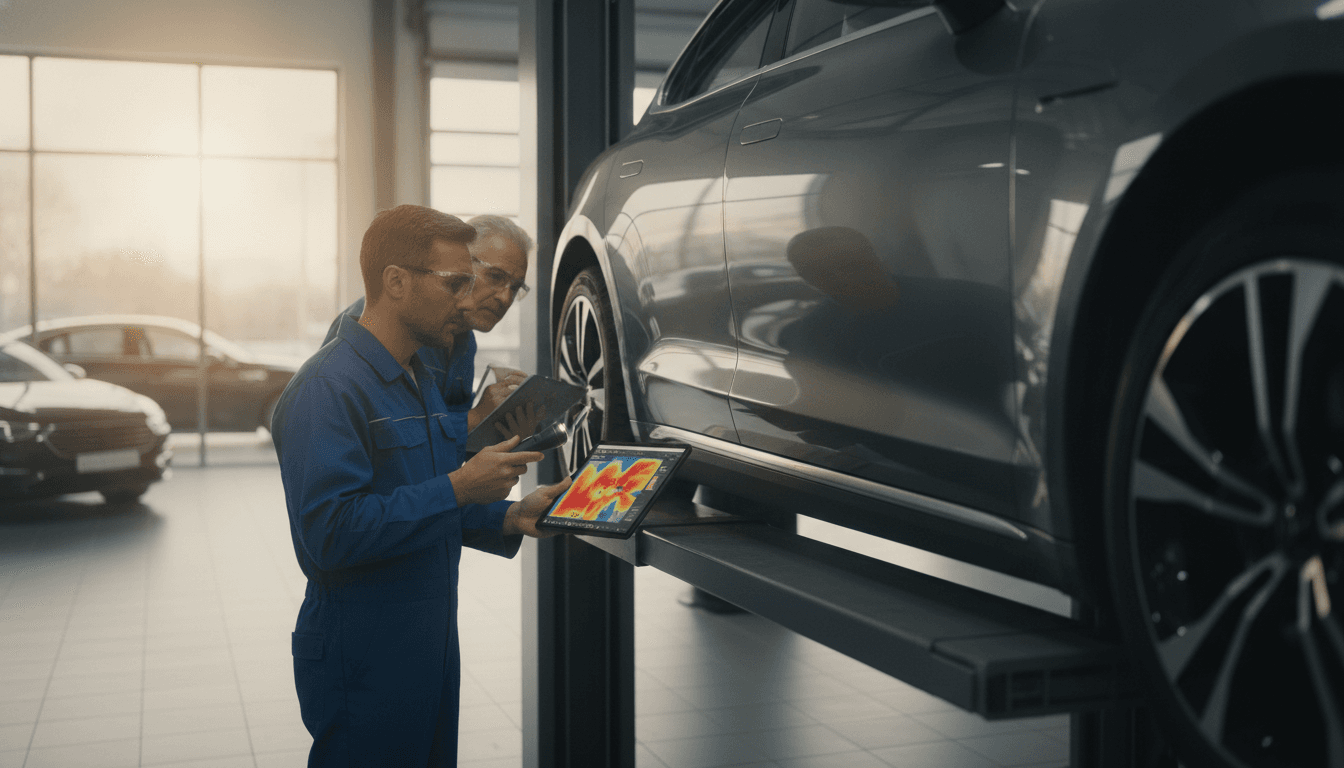
AI Detects Concealed Car Damage That Fools Expert Human Inspectors
Sellers are experts at hiding problems. Discover how AI detects masterfully concealed car damage, like frame repairs and paintwork, that your eyes will miss.
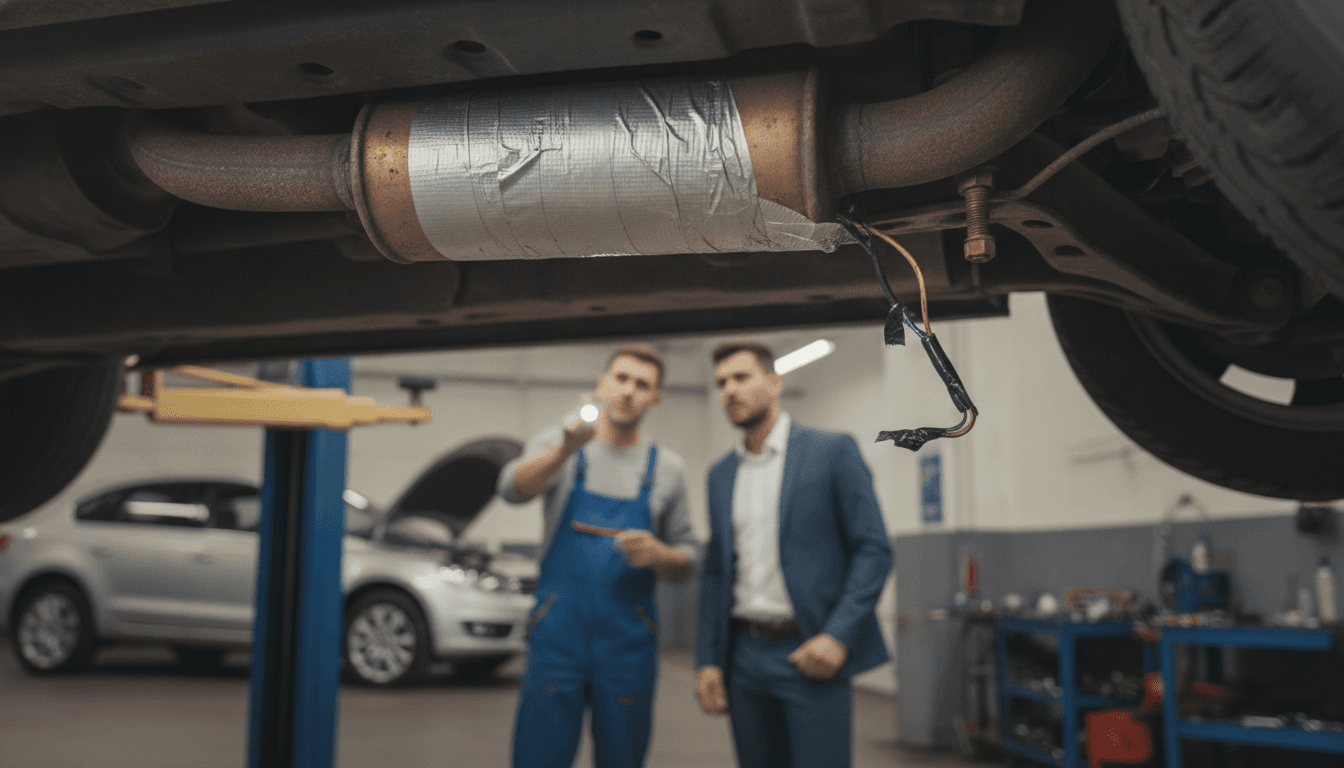
Don't Get Stuck: How to Spot Band-Aid Repairs on Used Cars
Sellers use cheap 'band-aid' repairs to hide costly problems. Learn the red flags and how AI is changing detecting band-aid repairs in used car inspection.